Why Hiring a Certified Arborist Is Key to Healthy Trees and Landscapes
Working with a certified arborist is important for those looking to maintain healthy trees and landscapes. These trained individuals bring specialized knowledge in tree care and wellness, identifying issues that may not be visible to those without professional training. Their expertise encompasses a range of services, from controlling pests to effective pruning methods. Understanding the role of certified arborists can significantly impact the durability and visual appeal of your property's green areas. What specific benefits do their services provide for your landscape?
Typical Tree Issues Certified Arborists Can Address?
A great number of homeowners deal with various tree issues that can compromise the health and safety of their properties. Typical challenges consist of pests, diseases, and structural deficiencies that may go unnoticed until they escalate. Insect infestations such as aphids or borers can compromise tree strength, causing leaves to discolor or limbs to deteriorate. Furthermore, fungal diseases like leaf spot or root rot can threaten tree vitality, often necessitating timely action to stop progression. Physical problems, such as poor branching or leaning trunks, pose risks during storms, which may result in property damage. Nutrient deficiencies, often indicated by slow growth and discolored leaves, also impact tree health. By recognizing these challenges early, homeowners can reduce potential hazards and maintain the visual appeal of their landscapes. Certified arborists possess the knowledge and tools to assess these conditions with precision, delivering targeted treatments to sustain and revitalize tree health.
The Knowledge of Certified Arborists in Tree Health
Professional arborists maintain extensive expertise in tree health evaluation methods, allowing them to detect problems accurately. They utilize focused approaches to managing diseases and pests, ensuring the longevity and vigor of trees. Their skills are fundamental to sustaining flourishing environments and reducing tree health risks.
Tree Health Assessment Techniques
Assessing tree health demands a keen eye and specialized knowledge that only qualified experts possess. Licensed arborists utilize numerous assessment methods to evaluate the health of trees. Physical examinations are fundamental, allowing arborists to identify signs of decay, stress, or structural problems. Furthermore, they may utilize tools such as growth analysis tools to assess wood density and growth patterns, providing insights into the tree's health and history. Soil analysis is another crucial technique, as it discloses nutrient levels and pH, essential for proper growth. Arborists also assess the surrounding area, considering factors like moisture levels and competition from other vegetation. By integrating these methods, certified arborists deliver detailed evaluations that direct suitable care and maintenance strategies for trees and surrounding landscapes.
Pest and Disease Management
Understanding tree health encompasses more than examination; it involves proactive management of ailments and infestations that threaten their strength. Licensed arborists possess expert knowledge to recognize and handle various threats to tree health. They have the ability to recognize initial indicators of infestations and disease, enabling swift responses that can minimize substantial harm. Utilizing integrated pest management strategies, these professionals evaluate the specific needs of every tree, implementing eco-friendly methods to minimize potential threats. This proficiency not only preserves the trees directly but also supports the collective vitality of the surrounding landscape. By engaging a licensed arborist, landowners ensure that their trees are provided with the highest quality care, encouraging longevity and resilience against future threats.
How Expert Tree Care Improves Your Landscape's Health and Beauty
Expert tree maintenance is fundamental in maintaining a vibrant landscape. By applying professional pruning practices, implementing disease prevention strategies, and managing soil health, certified arborists enhance both the aesthetic and ecological value of exterior environments. This meticulous process guarantees trees remain healthy and add lasting value to their ecosystem.
Professional Pruning Methods
Pruning trees with expertise transforms landscapes, enhancing both tree health and beauty. Skilled arborists use sophisticated methods that improve tree structure and development. By strategically eliminating branches, they boost light penetration and air movement, which are essential for overall tree vitality. Appropriate pruning lowers the risk of illness and pest issues by cutting away dead or overgrown limbs, allowing healthy growth to flourish. Furthermore, experienced arborists recognize the distinct growth habits of different tree species, guaranteeing that each tree is given specialized treatment. This expertise improves not only the aesthetic harmony of the landscape but also upholds the ecological equilibrium of the surrounding area. Ultimately, expert pruning techniques contribute considerably to the long-term health and beauty of trees and landscapes alike.
Disease Prevention Approaches
Applying proven disease prevention techniques is critical for preserving the health and beauty of landscapes. Certified arborists employ a range of techniques to identify and mitigate potential threats to trees and plants. Routine assessments facilitate the timely identification of diseases, allowing for swift corrective action. Arborists also recommend appropriate treatments, such as targeted fungicides or organic solutions, tailored to specific pathogens. Proper tree care practices, including strategic pruning and maintaining adequate moisture levels, further reduce the risk of disease proliferation. Furthermore, a qualified arborist can inform property owners about optimal approaches to tree care and disease prevention, promoting a more vibrant environment. Through committing to expert tree services, landscapes gain improved vitality and aesthetic value, ultimately supporting sustained ecological well-being.
Soil Wellness Management
A healthy landscape begins with robust check now soil, as it supplies vital nutrients and structural support for vegetation. Professional arborists are instrumental in managing soil health by evaluating soil composition, pH levels, and drainage capabilities. These professionals apply techniques including soil aeration, organic enrichment, and strategic mulching to enhance nutrient availability and microbial activity. By nurturing a well-balanced ecosystem, these specialists confirm that trees access the essential nutrients required for healthy growth, minimizing stress and susceptibility to plant diseases. Additionally, healthy soil promotes strong root systems, strengthening structural integrity and resistance to environmental pressures. As a result, prioritizing professional tree care not only elevates the visual beauty of landscapes but also contributes to lasting ecological sustainability.
Finding the Ideal Certified Arborist
What steps can someone take to identify the right certified arborist for their tree maintenance requirements? First, individuals should check the arborist's qualifications through recognized organizations, making certain they hold the required skills and knowledge. It is recommended to gather recommendations from friends, family, or local gardening centers, as word-of-mouth recommendations frequently connect people with trustworthy experts.
Next, prospective customers should conduct interviews with multiple arborists, questioning them about their qualifications, specializations, and tree maintenance philosophy. Paying attention to how they communicate and their openness to addressing inquiries can demonstrate their devotion to serving their clients well.
Furthermore, reviewing online testimonials and checking for any complaints with local regulatory bodies can shed more light on an arborist's standing. Finally, getting written assessments and comprehending the scope of services offered will assist in reaching a well-informed choice. Picking the appropriate certified arborist is vital for maintaining the vitality and long-term wellbeing of trees and landscapes.
The Lasting Advantages of Arborist Services
Engaging a reputable credentialed arborist not only tackles immediate tree care needs but also paves the way for long-term benefits that bolster the health and vigor of trees. By applying proactive management techniques, certified arborists effectively reduce the risk of tree diseases and pest problems, confirming trees remain robust through every season. Routine evaluations and careful pruning support strong growth and balanced structure, which can greatly increase the longevity of trees.
Choosing arborist services also leads to higher property value, as well-maintained trees improve aesthetics and curb appeal. Moreover, arborists can provide advice on species selection and planting methods, making sure that trees flourish in their surroundings. This proactive planning nurtures a balanced ecosystem, encouraging biodiversity and enhancing soil health. Ultimately, the long-term benefits of arborist services create a sustainable landscape that sustains both the trees and the broader environment, contributing to a healthier urban or rural landscape well into the future.
What Takes Place During Your Arborist Consultation?
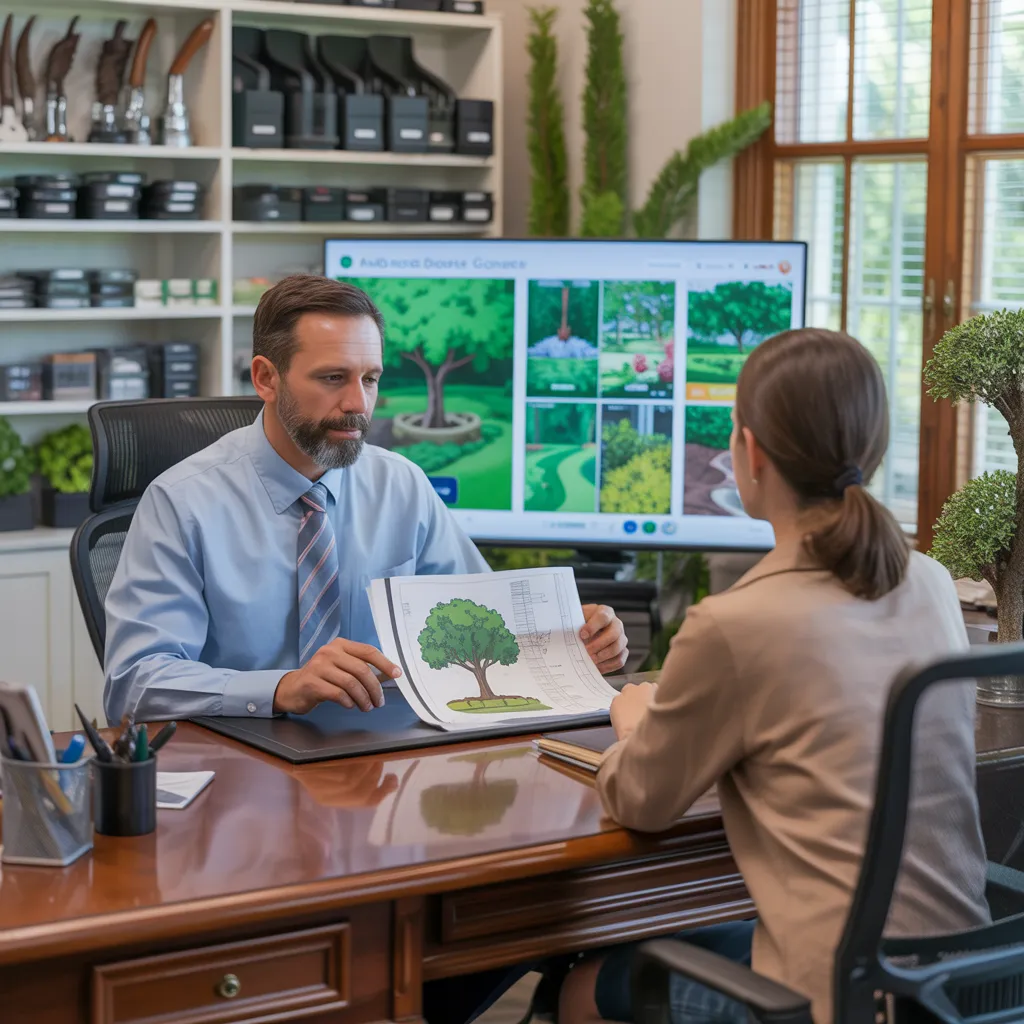
During an arborist consultation, a detailed inspection of the trees and surrounding landscape is conducted to detect any underlying problems and establish the most effective plan of action. The certified arborist begins by examining the condition of the trees, checking for signs of pest infestations, disease, or structural vulnerabilities. They also evaluate the ground conditions and nearby plant life, as these aspects greatly affect tree health.
Once the assessment is finished, the arborist reviews their results with the property owner, describing any problems uncovered and what they mean. They offer customized guidance on tree care, which may include cutting, nutrient treatment, or pest prevention techniques. The arborist may also advise planting additional trees or upgrading the grounds to foster a balanced and healthy ecosystem. This assessment review not only handles urgent matters but also sets the stage for a lasting tree care approach, ensuring the vitality and longevity of the landscape.
Questions We Often Receive
How Can I Tell if My Tree Requires Professional Care?
Warning signs that a tree needs professional treatment involve leaves turning yellow, abnormal growth habits, apparent pest activity, dead branches, or evidence of illness. Seeking professional advice can deliver a precise diagnosis and appropriate treatment options for the tree's health.
Which Certifications Should I Look for in an Arborist?
When looking for an arborist, check for certifications such as ISA certification from the International Society of Arboriculture, TCIA accreditation from the Tree Care Industry Association, and local licenses. These credentials indicate knowledge of tree care practices and professional industry standards.
Are Certified Arborists Able to Assist With Tree Planting?
Licensed tree specialists are well-equipped to help with tree installation, providing knowledge in species selection, correct planting methods, and evaluating the planting site. Their professional insight promotes stronger trees that flourish in their environment, fostering enduring growth and long-term vitality.
How Often Should Tree Care Services Be Scheduled?
Tree maintenance services ought to be arranged on a yearly basis for regular upkeep, with extra appointments across certain times of the year for tree pruning or pest prevention. Regular assessments ensure tree health, robustness, and ideal growth conditions across every season.
Is Arborist Work Covered Under Homeowners' Insurance?
Arborist services could be included in homeowners' insurance, based on the details of the policy and the type of services required. Homeowners are advised to speak with their insurance providers to understand coverage specifics and possible exclusions concerning tree maintenance.